Most waxing menus don’t tell you which technique they’re actually using, and it makes a real difference — not just in how the appointment feels, but in what kind of results you walk out with. Here’s the honest, practical breakdown of the two main types of wax, and where each one genuinely works best.
The two main types of wax
Soft wax (sometimes called strip wax) is applied in a thin layer with a spatula, then a cloth or paper strip is pressed on top and pulled off against the direction of hair growth — the strip is what actually does the removing. It’s fast to apply over large areas, which is why it’s the standard choice for legs and arms at a lot of studios.
Hard wax is applied thicker, with no strip at all. It’s left to cool and set for a few seconds, then peeled off by hand once it’s hardened enough to grip the hair on its own. Because there’s no separate strip involved, the wax itself has to do all the work of bonding to hair rather than skin.
There’s a third category worth a quick mention: sugaring, which uses a sugar-based paste instead of wax entirely. It’s a different enough process to deserve its own comparison — read the full hard wax vs. sugaring breakdown here if that’s the comparison you’re actually after.
Why hard wax tends to feel gentler
This isn’t just a marketing line — it comes down to what each wax actually adheres to. The American Academy of Dermatology notes that stripless (hard) wax doesn’t grip the skin the way strip wax does, since it’s designed to encapsulate the hair itself as it hardens rather than bond to the surrounding surface. Strip wax, by contrast, adheres to both hair and skin at once — which is part of why removal can sting more and why it’s generally the technique dermatologists suggest avoiding on sunburned or already-irritated skin.
That difference in what the wax actually grips is the entire reason hard wax tends to be the better call for reactive or sensitive skin, and for areas with coarser, denser hair that need a firmer grip to clear in one pass.
Where each one is commonly used
Soft wax shows up most often on legs, arms, and other larger, less sensitive areas — its speed advantage matters more there than the gentleness trade-off does.
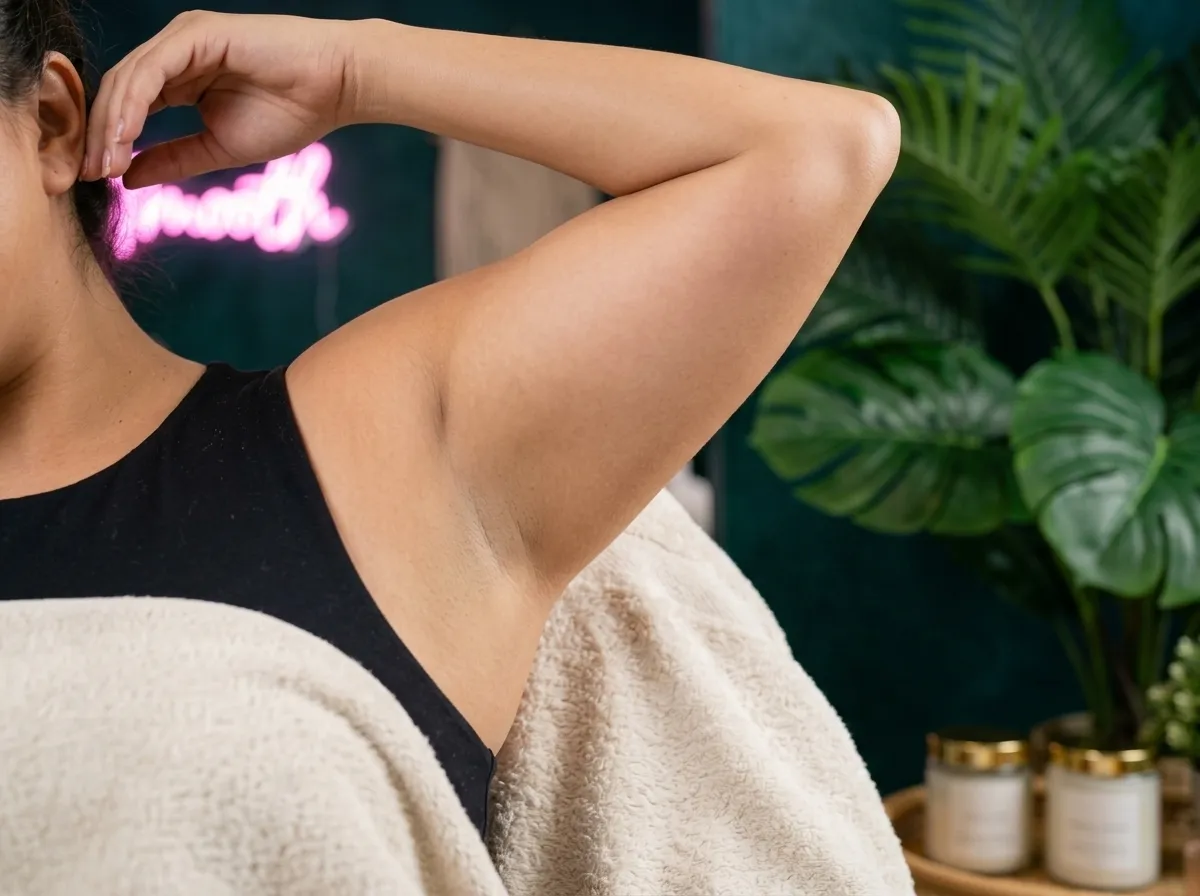
Hard wax is the more common choice for Brazilian, bikini, underarms, and facial waxing — anywhere skin sensitivity or hair density makes a stronger, more targeted grip worth the extra time per section.
The honest trade-offs
- Sensitivity: hard wax is generally the more comfortable option on reactive skin, since it isn’t pulling on the skin itself the way a strip does.
- Coarse or dense hair: hard wax typically clears thicker hair in fewer passes, which matters most in the Brazilian and bikini area.
- Speed: soft wax covers large, flat areas faster, which is a real advantage for legs and arms specifically.
- Consistency: results depend heavily on the esthetician’s skill with either technique — a well-trained provider matters more than the wax type alone.
Why Waxed OC uses hard wax exclusively
Every service on the menu here — Brazilian, full body, everything — is done with Starpil sensitive-skin hard wax, on every area, not just the sensitive ones. The reasoning is practical: it’s the gentler option where sensitivity matters most, it handles coarse hair reliably, and it means the experience doesn’t vary depending on which technique happens to be in rotation that day. You know exactly what you’re getting every time you book, regardless of which service you’re there for.
The bottom line
If sensitivity, coarse hair, or wanting one consistent technique across every service are what you care about, hard wax is the stronger fit — which is exactly why it’s the only technique used at Waxed OC. Ready to feel the difference? The Signature Brazilian is the most-booked place to start, or underarm waxing if you want a lower-stakes first try.